
960 Agostinho Neto Avenue – Maputo

Mon–Fri 07:30 to 15:30

s.geral@inicc.gov.mz

+258 85 756 1997

Home    Media    News

INICC debate sobre incentivos necessários para fortalecer a economia criativa em Moçambique  no FANCY AFRICA SUMMIT 2026
01/10/2026

INICC talks about the incentives needed to strengthen the creative economy in Mozambique at the FANCY AFRICA SUMMIT 2026

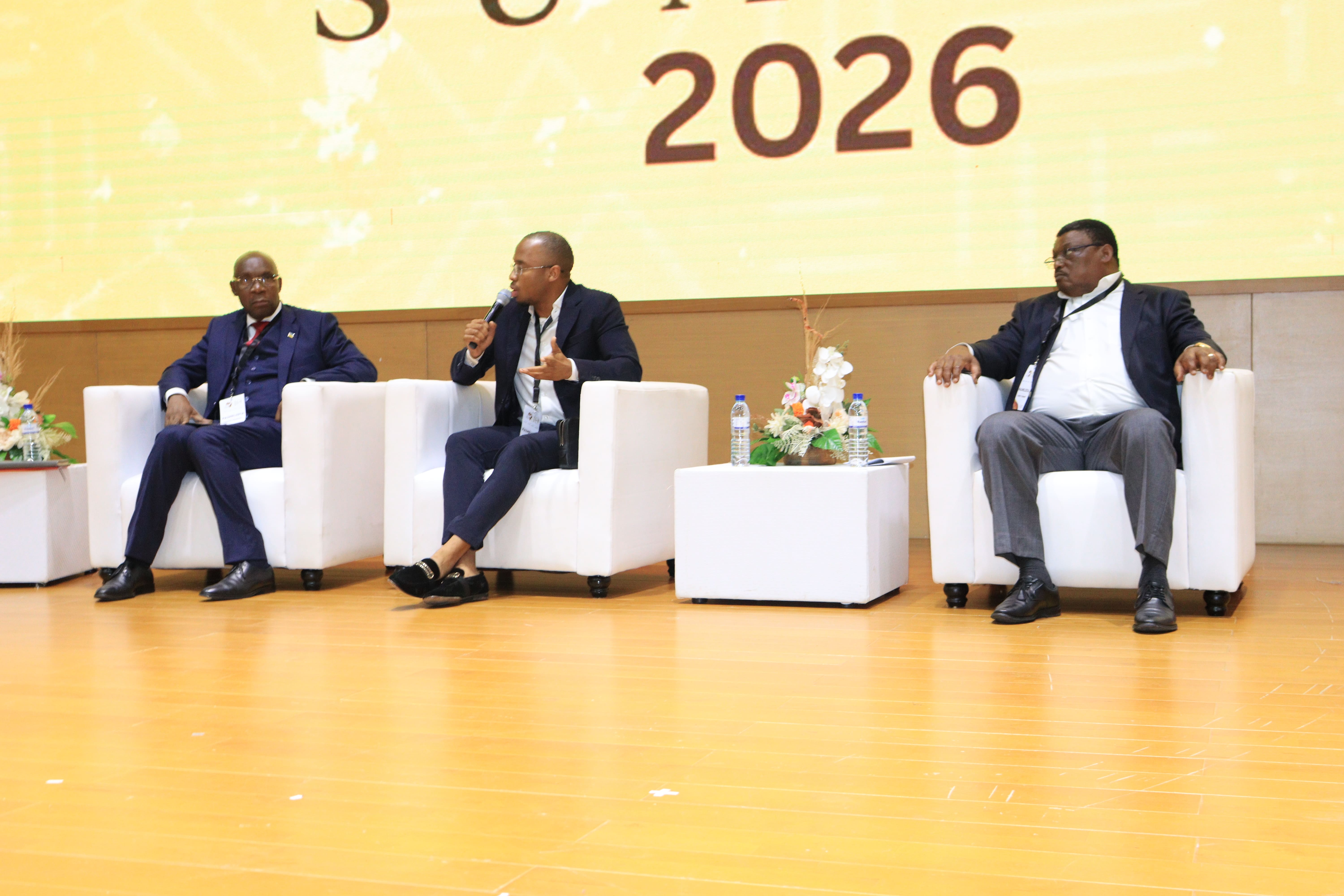
The need to create incentives to strengthen the creative economy in Mozambique was discussed on Tuesday, September 29, at the Mozambique-China Cultural Center in Maputo, during the FANCY AFRICA SUMMIT 2026. The roundtable, under the theme 'Technology and the Future of Fashion,' brought together different perspectives on the role of technology, research, funding, training, and cultural preservation in the development of creative industries. Edilson Alberto, an entrepreneur from TECHSOLUTIONS, highlighted the importance of research and innovation for the future of fashion in Mozambique, advocating for greater boldness in seeking solutions and opportunities. In turn, Lourinho Chemane, (Chairman of INTIC), emphasized that technological adoption is a gradual process and highlighted the role of digital services in expanding the fashion market and enhancing sociocultural values. His intervention coincided with the entry into force of Law No. 13/2026 on Cybersecurity. Meanwhile, Roberto Dove, Director-General of INICC, pointed out the five key pillars for strengthening the creative economy: artistic and cultural infrastructures adapted to technology; financing and formalization of operators; human capital training, especially in Copyright and Related Rights; and research, preservation, and mastery of production techniques. Dove also highlighted the importance of tax incentives, access to technological equipment, and support from FUNDAC, noting that most operators in the sector are micro, small, and medium-sized businesses. The discussion concluded that strengthening the creative economy requires greater coordination between technology, research, funding, training, and cultural preservation, with cooperation among public institutions, the private sector, creators, and development partners.
INICC avança com os trabalhos de avaliação da colecção fílmica
16/09/2026

INICC moves forward with the work of evaluating the film collection

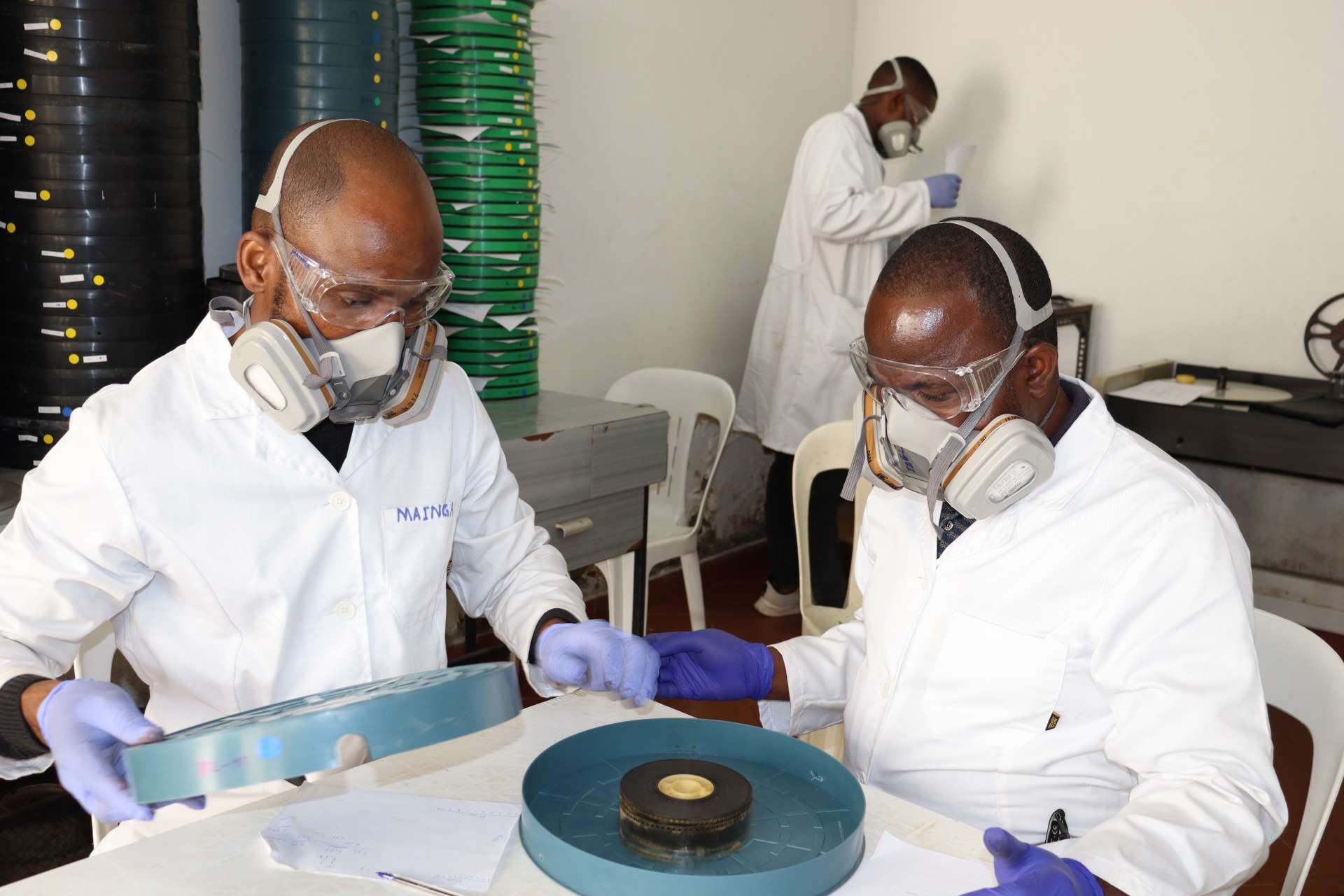
Right after completing the Occupational Health and Safety training, considered an essential component to ensure the protection of the professionals involved in the activities and to guarantee the proper and safe handling of the valuable audiovisual heritage preserved in the INICC Film Archive, the technicians began the work of identifying, cleaning, and cataloging the film material (film reels). The activity takes place within the framework of the film heritage preservation project, funded by the Spanish Agency for International Cooperation for Development (AECID), and aims to contribute to the preservation, organization, and enhancement of the audiovisual heritage under INICC’s custody. The work will last for three months, during which activities related to the assessment and treatment of the film material will be carried out, following proper safety and conservation procedures.

INICC promove capacitação sobre Direitos de Autor no Ambiente Digital
09/09/2026

INICC promotes training on Copyright in the Digital Environment

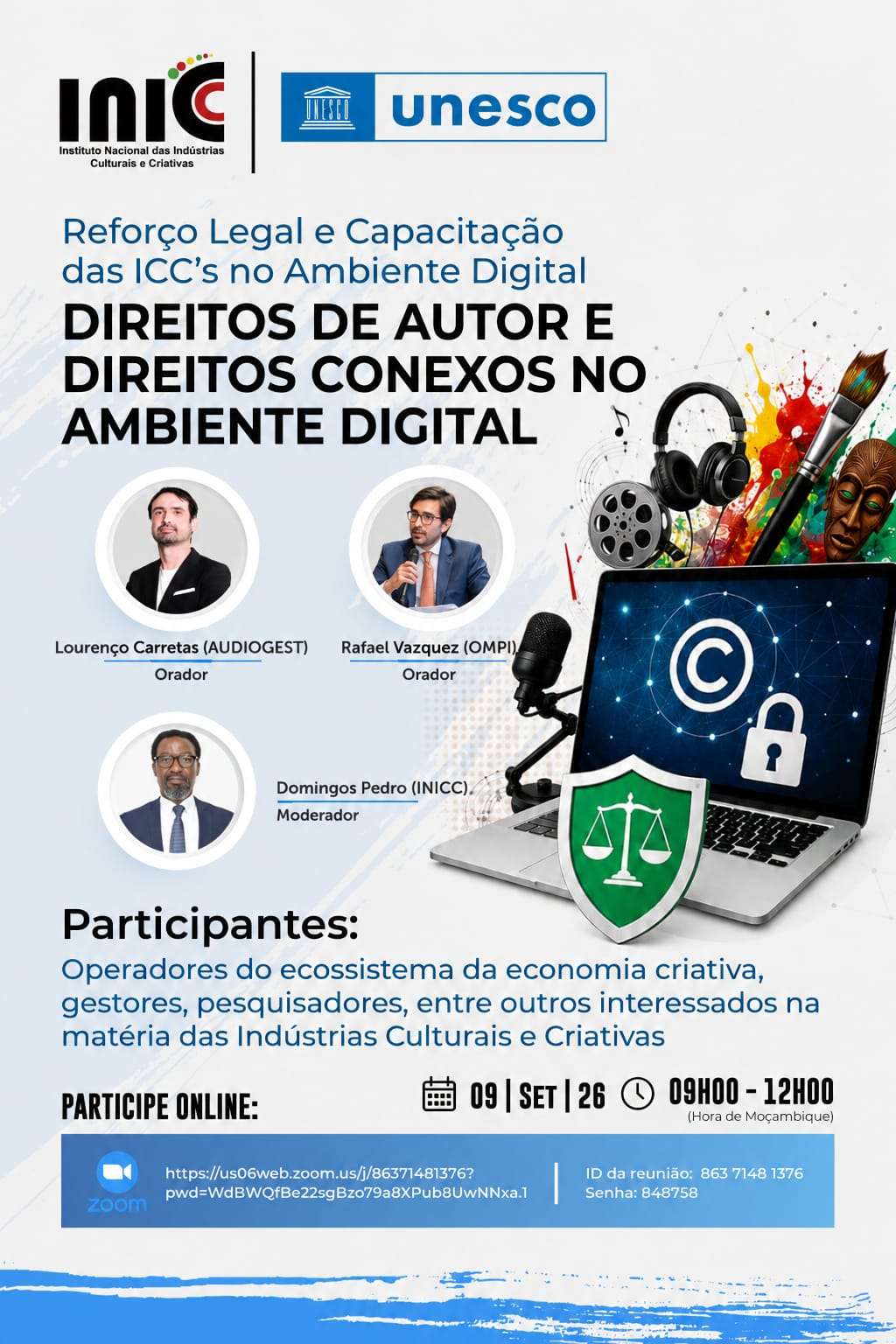
The National Institute of Cultural and Creative Industries (INICC, IP) held on September 9th, from 9:00 AM to 12:00 PM, a virtual training session titled “Training for Cultural and Creative Industries in the Digital Environment.” The event was part of the project aimed at legal reinforcement and capacity building for Cultural Industries in the Digital Environment, aligned with the Convention on the Protection and Promotion of the Diversity of Cultural Expressions. This edition specifically focused on the Protection of Copyright and Related Rights in the Digital Environment. The training was aimed at: operators of the creative economy ecosystem; public and private researchers; and other actors and professionals in the cultural sector. The panel of facilitators featured two experts of internationally recognized merit, representing the Association for the Management and Distribution of Copyrights, and the World Intellectual Property Organization (WIPO).